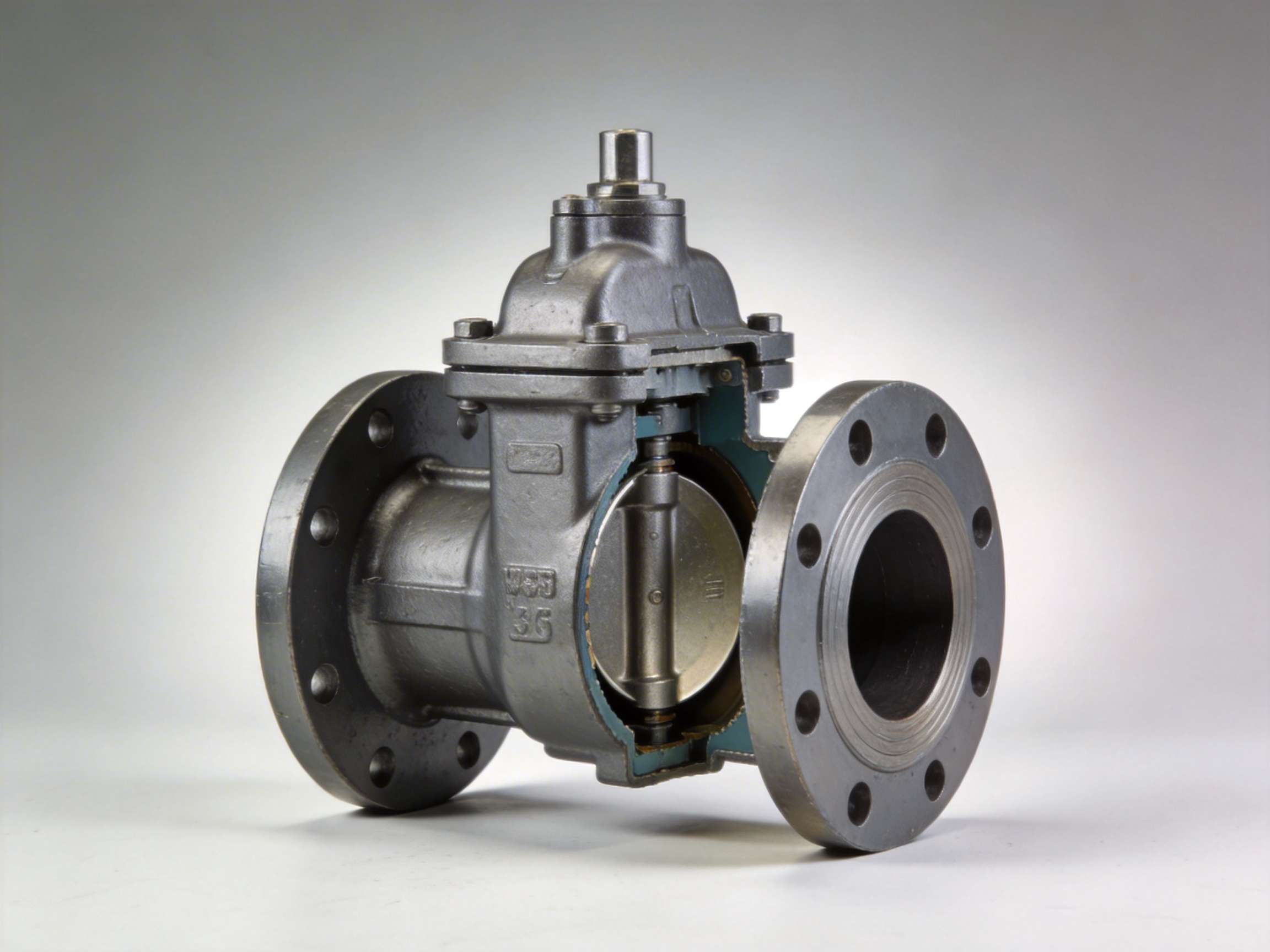
Pump discharge lines, water systems and process pipelines can reverse flow quickly when equipment stops. A dual plate check valve uses two spring-assisted plates to close before strong reverse flow develops. The compact wafer-style body also helps when the pipeline has limited space, lower weight requirements or flange-to-flange installation constraints.
Pioneer Valve supplies industrial dual plate check valves for project buyers, contractors, distributors and engineering teams. The valve can be specified by size, pressure class, flange standard, body material, plate material, spring material, seat type, medium and testing requirement.
If you are comparing a dual plate check valve, wafer check valve, swing check valve or lift check valve, focus on closing behavior, flow velocity, pressure drop, installation direction and water-hammer risk. These details decide whether the valve will protect the pipeline in real service.
Request a QuoteFinal materials, dimensions and spring design should be confirmed according to pressure class, medium, temperature, flange standard and flow condition.
| Valve Type | Dual plate check valve, dual plate wafer check valve or spring loaded non-return valve |
| Body Style | Compact wafer type body mounted between pipeline flanges |
| Pressure Rating | PN, Class or project-specified pressure rating for industrial service |
| Operation | Automatic one-way flow with spring-assisted closing plates |
| Body Material | Ductile iron, carbon steel, stainless steel, alloy steel or specified material |
| Plate & Spring | Stainless steel, alloy material or project-required plate and spring material |
| Seat Design | Metal seat, EPDM, NBR, PTFE or service-matched resilient seat |
| Inspection | Shell test, seat test, dimensional inspection and documentation as required |
The two plates open around a central hinge pin and close with spring assistance when forward flow slows.
When fluid moves in the correct direction, pressure pushes the two plates open. The body is compact, so this design is often used where a buyer needs non-return protection but does not want the length or weight of a traditional full-body check valve.
When flow slows or stops, springs help the plates return toward the seat. This assisted closing can reduce the chance of valve slam compared with slower-closing designs, especially when the valve is selected around the real flow velocity and pump behavior.
You should confirm flow direction, flange standard and installation position before ordering. A dual plate check valve can be compact and responsive, but the wrong orientation, gasket arrangement or bolt selection can create site problems during installation.
This valve is usually selected for compact installation and faster closing, but it still needs a proper flow and pressure review.
| Selection Factor | Why It Matters | Practical Advice |
|---|---|---|
| Water Hammer Risk | Fast reverse flow can cause slam, vibration and pressure surge. | Share pump data and flow velocity so the spring-assisted closing behavior can be reviewed. |
| Face-to-Face Length | Wafer bodies reduce installation length and weight. | Choose this design when the pipeline has limited space or the project wants easier handling. |
| Flange Compatibility | The valve is clamped between flanges, so standards and bolt details matter. | Confirm ASME, EN, DIN, JIS or other flange standard before procurement. |
| Seat and Spring Material | Media and temperature affect sealing, corrosion resistance and spring life. | Specify water, oil, gas, steam or chemical service before selecting trim and seat materials. |
These names often appear together in search and procurement documents. The right page and product depend on the buyer's pipeline priority.
Best fit when the project needs compact installation, lower weight and spring-assisted closing. It is often supplied as a wafer type valve and is suitable for many water, HVAC, oil, gas and pump discharge systems.
A wafer check valve refers mainly to the compact body style installed between flanges. It may use single plate, dual plate or other internal structures depending on the specification.
A swing check valve often favors low pressure drop in general pipelines, while a lift check valve uses guided movement for reliable seating in pressure-focused service.
Dual plate check valves are used in systems that need compact non-return protection with faster closing response than many traditional designs.
Review Pioneer Valve's check valve range for swing, lift, wafer, dual plate and high-pressure service.
View ProductsUse this page if your main requirement is compact flange-to-flange installation.
View PageReview swing, lift, wafer, ball, nozzle and stop-check valve structures.
View TypesUnderstand one-way flow, cracking pressure, reverse-flow closure and installation basics.
Read GuideCompare common check valve designs before choosing the right non-return valve.
Compare TypesSend your specification, medium and quantity so the engineering team can confirm a suitable valve.
Contact SalesA complete inquiry helps the supplier confirm spring design, flange compatibility, materials and closing behavior before production.
A dual plate check valve is a non-return valve with two spring-assisted plates that open with forward flow and close when reverse flow begins. Many designs use a compact wafer body installed between flanges, making the valve useful when a project needs backflow prevention with shorter face-to-face length and lower weight.
Choose a dual plate check valve when compact installation, lighter weight and faster spring-assisted closing are important. It is often considered for pump discharge, water treatment, HVAC, oil, gas and industrial utility pipelines. Before ordering, confirm pressure rating, flange standard, flow velocity, medium, temperature and installation direction.
A dual plate check valve is often supplied with a wafer body, so buyers may call it a dual plate wafer check valve. However, wafer describes the compact body style, while dual plate describes the internal closing structure. The two terms are related, but they do not mean exactly the same thing.
A dual plate check valve uses two spring-assisted plates and is usually more compact than a swing check valve. A swing check valve uses one hinged disc and often has a longer body. Dual plate designs can close faster, while swing designs may offer a simpler flow path in some larger pipeline systems.
Dual plate check valves can help reduce slam risk because the spring-assisted plates can close before strong reverse flow develops. This does not remove every water-hammer problem. The supplier should still review flow velocity, pump stop behavior, installation distance, pipe layout and whether the selected spring design fits the service.
A complete dual plate check valve inquiry should include DN or NPS size, pressure class, flange standard, body material, plate material, spring material, seat material, medium, temperature, flow direction and quantity. For pump discharge or surge-sensitive service, also provide pump data, flow velocity and required test documents.
A dual plate check valve is useful when compact installation, lower weight and spring-assisted closing fit the pipeline. Before ordering, confirm flange standard, pressure rating, flow direction, materials, seat and surge risk. Pioneer Valve can support industrial dual plate wafer check valve selection and supply based on your project specification.
Send your size, pressure rating, flange standard, material, medium, flow direction and quantity. Our team will help confirm the suitable spring-assisted non-return valve option.