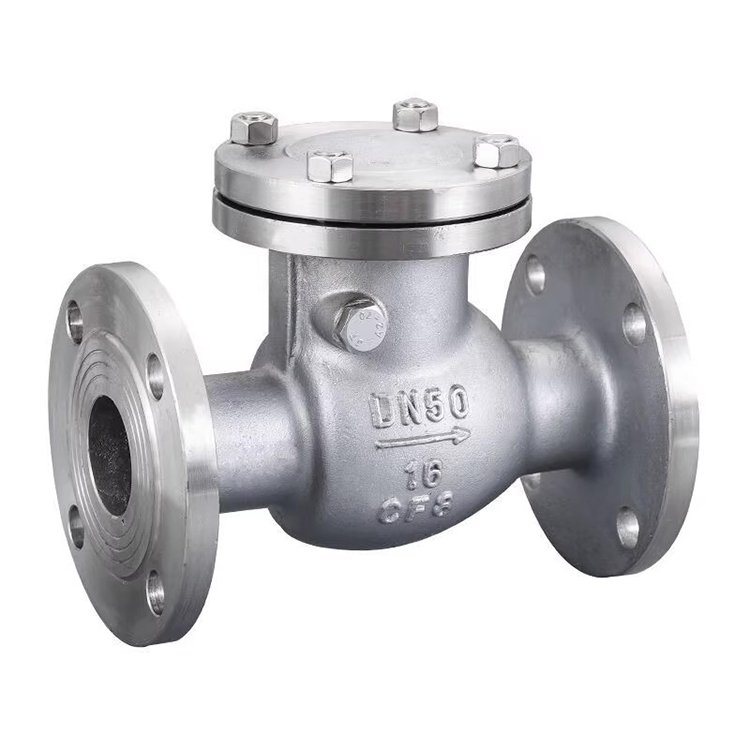
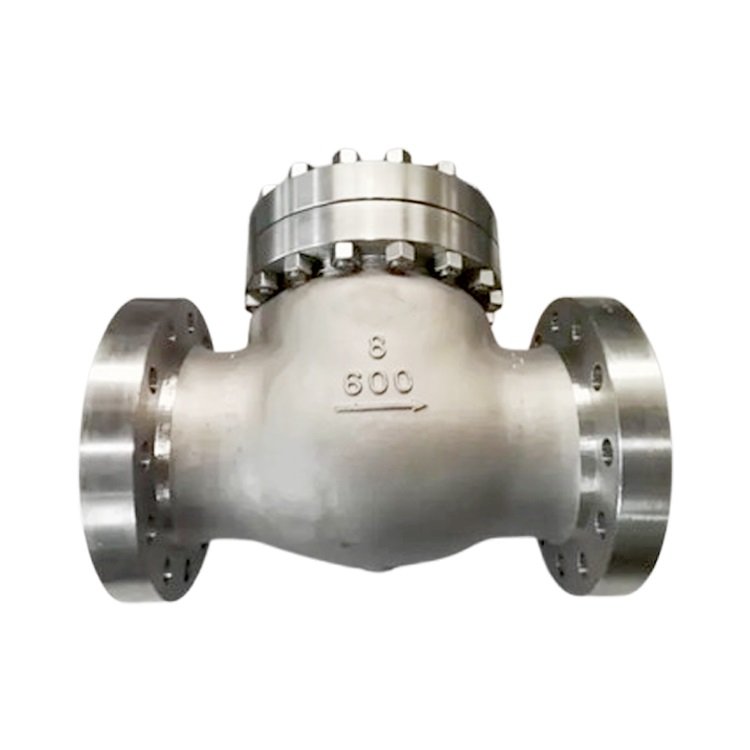
Flanged Check Valve FAQ
What is a flanged check valve?
A flanged check valve is an automatic non-return valve connected to the pipeline through flanged ends. The connection description does not identify the internal closing mechanism. Specify swing or lift construction separately, then define the flange standard, pressure designation, facing, materials and installed length. These details help establish whether the offered valve fits both the piping and the service.
Are flanged and wafer check valves the same?
No. A valve with integral flanged ends and a wafer valve installed between mating pipe flanges use different connection arrangements. They can have different installed lengths, bolting requirements and maintenance implications. Send the required connection drawing or piping specification with your inquiry. Do not assume a wafer design is an acceptable replacement simply because both arrangements are installed in flanged piping.
Should I choose a swing or lift check valve?
Choose using fluid, operating flow range, pressure drop, closing behavior and installation orientation. Swing and lift describe different internal mechanisms; neither is universally suitable for every flanged line. Provide minimum and normal flow conditions as well as design pressure and temperature. Ask the supplier to review the proposed configuration against the actual duty before approving the product drawing.
Can I replace a PN flange with an ASME Class flange?
Do not substitute them based on a rough pressure conversion. Check the specified standard, size, drilling, facing, dimensions and pressure-temperature basis. Even a valve that appears similar can create a mechanical or rating mismatch. Give the supplier the existing flange details and request a documented interface review. Any proposed alternative should receive project approval before the purchase order is released.
Can a flanged check valve be installed vertically?
Installation suitability depends on the internal design and the direction of flow, rather than the flange connection alone. State whether the pipe is horizontal or vertical and identify upward or downward flow. Ask for the permitted orientation of the offered model in its installation instructions. A flow arrow establishes intended flow direction but does not independently approve every installation arrangement.
Will a flanged check valve prevent water hammer?
Flanged ends do not establish how quickly or smoothly the valve closes. Transient behavior depends on the valve mechanism and the surrounding system, including flow deceleration and pump operation. If water hammer or repeated slamming has occurred, provide the operating history and available system data. Review closure behavior separately rather than accepting a universal non-slam promise based on connection type.
Does a stainless steel body specify the entire valve material?
No. Body material is one part of the assembly. Confirm the disc or piston, hinge or guide components, stem where applicable, seating surfaces, springs, gasket and other wetted materials. Provide fluid chemistry and temperature so the complete material schedule can be reviewed. A stainless body description alone does not establish compatibility, seat leakage acceptance or the pressure-temperature rating of the assembly.
What details are needed for a flanged check valve quotation?
Send nominal size, quantity, fluid, flow range, operating and design conditions, flange standard and facing, installed length, material requirements and orientation. State the required construction and test acceptance, or ask for a configuration review if undecided. Attach nameplate photographs and dimensions for replacements. Request a clear deviation list so technical approval and commercial comparison use the same supply scope.