Metal Seated Butterfly Valve
Seat construction, service limits and shutoff requirements for your next valve specification.
Select the Seal for the Actual Service
When a valve must isolate a hot process line, choosing a metal seat is only the start. Your operating temperature, pressure differential and leakage acceptance can point to different seal constructions, even within the same valve size. A metal seated butterfly valve inquiry should therefore define the service and the required shutoff result before comparing prices or selecting an actuator.
A metal seated butterfly valve uses a metal sealing interface between the disc sealing element and the body seat. It is an option for applications that exceed a suitable soft seat's operating limits. The name alone does not define its offset geometry, temperature rating or allowable leakage.
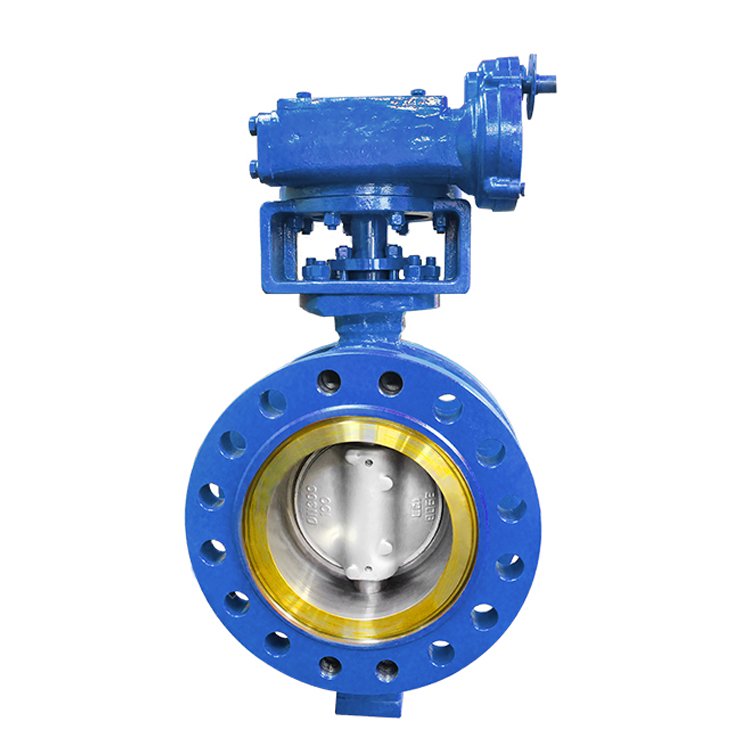
For the geometry behind the sealing action, see our triple offset butterfly valve page. This page focuses on the seal specification and the information needed to evaluate a quotation.
Request a Technical QuoteMetal Seated vs Soft Seated Butterfly Valves
Choose from the operating conditions outward. A metal seat can be worth evaluating where an elastomer or polymer seat is unsuitable, but it is not automatically the best choice for every water or utility line.
| Selection question | Metal seated | Soft seated |
|---|---|---|
| What contacts the sealing surface? | A metallic sealing element; some designs use composite laminated rings. | An elastomer or polymer element, depending on the design. |
| What sets temperature suitability? | Seat, ring, body, packing, bearings and the complete assembly rating. | Seat compound and all other assembly materials at the service conditions. |
| How is shutoff assessed? | Documented leakage test and acceptance limits for the specific valve. | The same need for defined test conditions and acceptance limits applies. |
| When should it enter the shortlist? | When process conditions justify evaluating a metallic seal. | When compatible soft seat materials satisfy the duty and project specification. |
Do not select by the body material alone. A stainless steel butterfly valve can still have a soft seat. Ask for the seat and seal-ring materials separately from the body, disc and shaft.
Solid and Laminated Seal Rings: What to Ask
Both solid and laminated seal rings appear in commercial metal seated valve designs. A laminated construction combines layers; depending on the design, those layers can include nonmetallic material. A solid ring has no such laminated stack. Neither label replaces a review of the exact alloy, sealing geometry and process compatibility.
Ask for a sectional drawing and bill of materials that identify the body seat, disc seal ring, any interlayers and retention components. If the medium is corrosive, each exposed material matters. If frequent heating and cooling are expected, include the cycle conditions in the inquiry.
Manufacturer documentation illustrates these alternatives: Emerson's Vanessa brochure discusses solid and laminated rings, while Bray's Tri Lok datasheet identifies a solid-ring option. These are design references, not specifications or certifications for Pioneer products.
Define Temperature, Pressure and Leakage Together
Your inquiry should list normal operating conditions, the design limits and the highest pressure differential across the closed disc. State pressure and temperature as paired conditions. A nominal pressure class does not, by itself, establish the allowable pressure at an elevated temperature.
For leakage acceptance, specify the governing test standard and edition, acceptance criterion, test medium, pressure, duration and required test direction. If hot-service performance needs separate verification, state it explicitly. Avoid using only phrases such as “tight shutoff” or “zero leakage” in the purchase order.
A useful procurement decision is to resolve these conditions before comparing competing prices. Otherwise, two quotations may describe the same size valve while offering different sealing performance and test scope.
Application Checks Before You Order
Steam and hot process lines
Provide saturated or superheated steam conditions, start-up cycles and possible condensate exposure. Review the packing and bearing arrangement as well as the seat. Do not transfer another manufacturer's maximum temperature into a specification for an unconfirmed model.
Chemical and corrosive service
Identify the fluid composition, concentration and contaminants. “Stainless steel” is not a complete compatibility assessment. Specify materials for all wetted parts and ask the supplier to identify any limitations in the proposed configuration.
Solids and frequent throttling
Metal seating alone does not establish suitability for abrasive solids. Describe particle size, concentration and operating pattern. For throttling duty, supply the flow range and pressure drop so that erosion, cavitation and actuator control can be reviewed before selecting the valve.
Pioneer Metal Sealing Butterfly Valve Inquiry
Our butterfly valve range includes a metal sealing flange design and a high-temperature metal sealing wafer design. Send your service conditions so we can identify the relevant configuration and confirm the offered dimensions, materials and test requirements.
For an installation constrained by the existing pipework, review the wafer connection guide or lug connection guide. Body connection and seat construction are separate choices; matching one does not establish the other.
Before purchase, request a model-specific datasheet and drawing. Confirm whether the sealing components are replaceable, what spare parts are recommended and how the actuator will be sized. Where a project calls for fire testing or emissions qualification, include the required evidence in the quotation scope.
Send these details with your inquiry
- DN or NPS, quantity, flange standard and available face-to-face length.
- Medium, composition, solids content and normal or upset conditions.
- Operating and design pressure and temperature; maximum shutoff differential.
- Required flow direction, reverse pressure and leakage acceptance criteria.
- Body, disc, shaft, seat and seal-ring material requirements.
- Manual or powered operation, supply, fail position and cycle frequency.
- Required drawings, inspection records, material documents and delivery destination.
If you have an existing valve datasheet, include it with the replacement inquiry. Mark any service conditions that have changed since the original installation.
Metal Seated Butterfly Valve FAQ
Does a metal seated butterfly valve always provide zero leakage?
No. Metal seating describes the sealing construction, not a universal leakage rating. Ask for the test standard, acceptance criterion, test fluid, pressure, duration and direction for the selected configuration. A valve tested with water at ambient temperature does not automatically establish the same performance in hot gas service. Put the agreed acceptance conditions into the purchase specification.
Should I specify a solid or laminated metal seal ring?
Start with the medium and the complete operating temperature range. A laminated ring may contain metal layers and nonmetallic interlayers, so identify every material exposed to the process. A solid ring uses a different construction, but still needs suitable alloy selection and matched sealing geometry. Ask the supplier to explain the proposed ring against corrosion, thermal cycling and maintenance requirements.
Can I replace a rubber seated valve with a metal seated valve?
A replacement needs more than matching the nominal pipe size. Compare face-to-face length, flange drilling, disc clearance, flow direction and the available installation space. Then check the required shutoff torque and actuator interface. The existing actuator may not provide adequate seating torque for the new valve. Confirm assembly dimensions and operating requirements before removing the installed unit.
Can the same valve isolate pressure in both directions?
Only use bidirectional isolation where the specific configuration has a documented rating for both directions. Reverse differential pressure can change the sealing load and acceptable operating limit. State the highest differential pressure for normal and reverse flow, and request the corresponding leakage test conditions. A general flow arrow or product family description is insufficient evidence for reverse-pressure isolation.
Is metal seating enough to meet a fire-safe specification?
No. A metal sealing surface alone does not demonstrate that the complete valve has passed a fire test. Packing, body joints and other components also affect performance. Where fire testing is required, specify the applicable standard and ask for evidence covering the offered valve design and relevant size or rating range. Review certificate scope before accepting the quotation.
What should a steam-service inquiry include?
Provide the normal and maximum steam pressure, temperature, valve size and required shutoff differential pressure. Identify saturated or superheated steam, expected starts and stops, condensate exposure and whether the valve will throttle. Include leakage acceptance criteria and actuator requirements. These details let the supplier assess the complete assembly instead of selecting a seat only from its nominal temperature capability.
Final Thoughts
Select a metal seated butterfly valve by matching its complete sealing system to your medium, temperature and shutoff conditions. Agree on the leakage test and actuator requirements before comparing quotations. Pioneer Valve's metal sealing butterfly valve range provides a starting point for that discussion. Send your operating data and project specification so the proposed configuration can be checked against the actual duty.
Send Your Valve Specification