Start with the Location and the Fluid
By Pioneer Valve · Published November 6, 2026
A steam check valve inquiry can describe very different duties: steam flowing toward process equipment, hot condensate entering a return line, or water feeding a boiler. Choosing from the pipe size and a temperature label alone leaves important questions unanswered. Identify the actual location, fluid phase and downstream conditions first, then compare the valve construction, operating range and installation requirements on that basis.
What Is a Steam Check Valve?
It is a non-return valve selected for a defined steam-system application. Its role is to limit reverse flow automatically. The complete valve must suit the actual medium and pressure-temperature duty; the term does not establish one universal product specification.
This guide connects the application review to a product inquiry. For a broader overview of mechanisms, use our industrial check valve range.
Separate Steam, Condensate and Feedwater Duties
| Location | Information to provide | Selection question |
|---|---|---|
| Steam distribution or process supply | Steam condition, mass flow, pressure, temperature and operating variation. | Does the specific valve suit the steam duty and required closing behavior? |
| Condensate discharge or return | Condensate conditions, downstream pressure, elevation and discharge pattern. | Can it limit reverse flow without creating an unacceptable restriction? |
| Boiler feedwater | Water conditions, pump sequence and the project equipment requirements. | Does the offered assembly satisfy the defined feedwater duty? |
These locations can belong to the same plant while requiring different configurations. Do not transfer a suitability statement from a condensate application to a steam main, or assume an ordinary industrial check valve replaces boiler-specific equipment required by the project.
For procurement, mark the valve position on a process sketch and label the medium at that position. This small addition gives the supplier much better context than the description “steam line valve.”
Check Valve, Steam Trap and Isolation Valve

A check valve responds automatically to flow conditions. A steam trap is selected to discharge condensate while limiting live-steam loss. An isolation valve is operated to provide deliberate shutoff under the applicable procedure. Some equipment combines functions, but that scope must be documented for the specific assembly.
Keep the three requirements separate on the duty sheet. In particular, do not rely on a check valve as the means of isolating live steam for maintenance. The installation needs the isolation and verification measures required by the site procedure.
For the functional distinction and application examples, see Spirax Sarco’s check valve tutorial.
Compare Product Routes Against the Actual Duty
Lift Check Valve Route
Review guided closure, the offered flow passage and model-specific installation limits. Confirm suitability for the stated steam or condensate location rather than assuming every lift construction has the same application envelope. See our lift check valve page for the existing product route.
Swing Check Valve Route
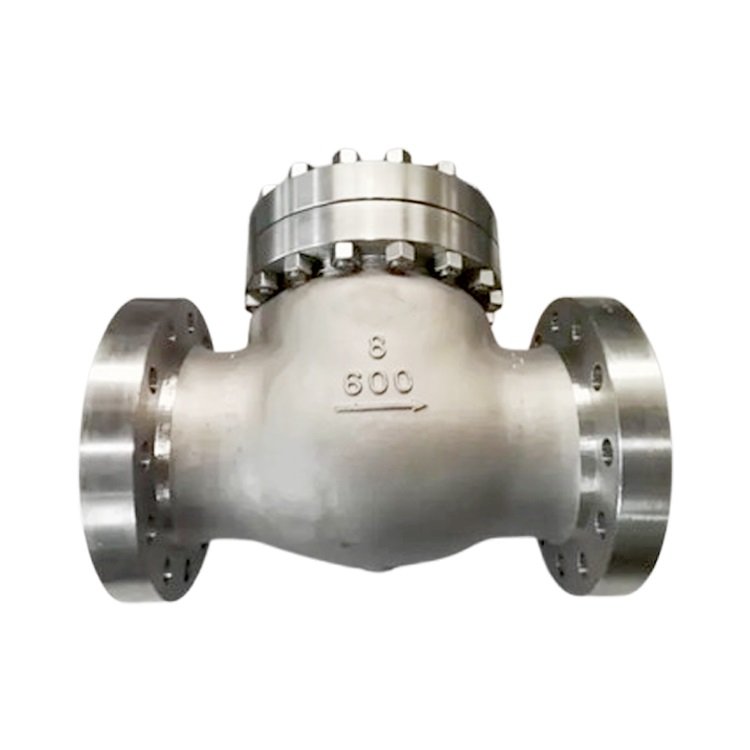
Review the hinged-disc arrangement with the operating flow range and shutdown behavior. Confirm orientation, materials and pressure-temperature limits for the proposed assembly. See our swing check valve page when preparing that inquiry.
Other spring-assisted or disc constructions may be considered by the project, but a family name does not establish steam suitability. If reviewing our silent check valve category, request confirmation of the required medium, configuration and limits in the written offer.
Pressure, Temperature and Materials Must Be Reviewed Together
State both operating and design conditions. For steam service, identify the steam condition and temperature rather than assuming pressure alone describes every possible case. Include startup, shutdown and minimum operating conditions where relevant.
| Requirement | What the inquiry should define |
|---|---|
| Pressure-temperature basis | Operating and design values for the complete assembly and its connections. |
| Material schedule | Body, cover, disc or piston, guide or hinge parts, spring if present, seats and gaskets. |
| Sealing acceptance | Required seat leakage criteria and test conditions, separate from body rating. |
| Connection | End standard, facing or weld details, installed length and mating piping requirements. |
A metal seat or stainless body is not a complete steam-service approval. The remaining components and joint materials must also suit the conditions. For material and connection review, our stainless steel check valve and flanged check valve pages provide separate inquiry routes.
Size for the Operating Range, Not Just the Pipe
Provide minimum, normal and maximum flow, including the units and basis used for steam. Request pressure-loss information applicable to the proposed valve and medium. Do not apply a cold-water curve to a steam or two-phase condition without checking the method and assumptions.
Opening differential, operating pressure drop and closing response answer different questions. A valve that starts to open does not automatically deliver the required flow within the permitted pressure-loss budget. Use our check valve cracking pressure guide to organize that distinction.
Condensate Return: Backflow and Backpressure Are Different
A shared condensate return can expose inactive equipment or trap outlets to reverse flow from other operating equipment. A suitable check arrangement can be part of preventing that backflow. The need and location should be reviewed with the trap instructions and system layout.
However, a check valve does not generate the pressure needed to move condensate into a higher-pressure return. Identify the available driving pressure, downstream pressure, elevation and piping losses. If drainage is inadequate, investigate the condensate-removal arrangement rather than assuming another check valve will restore discharge.
TLV’s installation guidance distinguishes reverse-flow prevention from the inability to overcome return backpressure. It also explains why check valves are not effective against every water-hammer mechanism.
Installation Checks Before Commissioning
- Confirm the offered model. Match its rating, materials and instructions to the approved data sheet.
- Check intended flow. Align the body arrow with the required forward direction at that location.
- Confirm permitted orientation. State horizontal or vertical pipework and upward or downward flow; the arrow alone does not approve every mounting position.
- Review the surrounding arrangement. Check drainage, trap interfaces, access, support and any model-specific clearance requirements.
- Follow the installation and commissioning procedure. Include the project inspection and verification requirements for the complete system.
Do not prescribe one universal straight-pipe distance or trap-to-check spacing for every design. Some instructions include particular limitations; use the applicable model documents and approved project layout. For replacements, capture actual installed dimensions before selecting a mechanically similar valve.
Water Hammer Needs a System Review
A reverse-flow event is only one possible part of a steam-system noise or shock problem. Condensate accumulation and rapid steam condensation can also be involved. Describe when the event occurs, which equipment is operating and what changes during startup or shutdown.
Check valve closing behavior should be reviewed with the application, while drainage and condensate management need their own assessment. TLV’s steam distribution discussion emphasizes the importance of removing condensate and reviewing the piping arrangement.
Our check valve water hammer guide covers the wider closing and system interaction. Do not interpret a “silent” or “non-slam” category label as a guarantee that a valve will solve every steam or condensate transient.
Prepare a Comparable Steam Check Valve Inquiry
Pioneer Valve can use these details to review the existing product routes and clarify a proposed supply scope. Specific steam limits, configurations and testing obligations must be confirmed in the quotation. Product-family descriptions and generic photographs are not substitutes for the offered assembly data.
Ask bidders to separate technical deviations, optional costs and included documents. For a replacement, add nameplate photographs, installed dimensions and the reason for replacement so the inquiry addresses the service issue as well as the mechanical fit.
Send Your Steam-System DutyFrequently Asked Questions
What is a steam check valve?
It is a non-return valve selected for a specified steam-system duty. It opens under suitable forward-flow conditions and closes to limit reverse flow. The name does not establish one universal material, pressure class or temperature range. Identify whether the location carries steam, condensate or boiler feedwater, then confirm the complete offered assembly against the actual operating and design conditions.
Can a check valve replace a steam trap?
No. A check valve responds to flow and pressure conditions to limit reverse flow; it does not perform the condensate-discharge function of a steam trap. A trap is selected to remove condensate while limiting live-steam loss according to its design. Some assemblies combine functions, but their documented scope must be confirmed rather than assuming an ordinary check valve provides steam trapping.
Should every steam trap have an outlet check valve?
Review whether condensate can flow backward from the downstream system. A shared return line or other changing backpressure condition can create that risk, while an independent discharge to atmosphere is a different arrangement. Follow the trap and check valve instructions and the approved system design. Do not apply one installation rule without checking discharge conditions, accessories and the actual operating sequence.
Can a check valve force condensate into a higher-pressure return?
No. A check valve prevents reverse flow when operating as intended, but it is not a pump and cannot create the differential needed for discharge. Include return pressure, elevation and piping losses in the system review. Where adequate driving pressure is unavailable, the condensate-removal arrangement needs engineering review; installing another check valve does not by itself solve the drainage problem.
Is a lift or swing check valve better for steam?
Neither name alone settles the selection. Assess the specific model, medium, temperature, flow range, pressure loss, orientation and closing behavior. A construction suitable for one condensate duty may not suit a steam-main duty. Ask the supplier to confirm the proposed assembly for the defined location and provide relevant documentation instead of choosing from a generic valve-family description alone.
Can I install a steam check valve in vertical pipework?
Only if the offered design permits the specified vertical flow direction and arrangement. Some mechanisms depend on gravity or have model-specific orientation limits. State whether flow is upward or downward and provide the intended layout. The body arrow identifies intended flow direction but does not independently approve every mounting position. Use the model instructions and approved drawing for the final installation.
Will a steam check valve eliminate water hammer?
It may help address a reverse-flow mechanism in a suitable installation, but steam and condensate systems can develop water hammer through other mechanisms. Condensate accumulation or rapid steam condensation requires a broader drainage and system review. Provide the event history and operating conditions rather than accepting a universal cure. Select closing behavior and condensate handling as related but separate engineering questions.
What information is needed for a steam check valve quotation?
Provide the valve location, fluid phase, steam condition where applicable, flow range, operating and design pressure and temperature, downstream pressure and installation orientation. Add size, connections, materials, leakage acceptance, inspection scope and quantity. For replacements, include the nameplate and dimensions. Ask the supplier to identify deviations and confirm the proposed configuration so the quotation can be reviewed on a clear basis.
Final Thoughts
Select a steam check valve from the actual location and operating duty. Separate steam from condensate service, verify the complete pressure-temperature and material basis, and review flow, closing behavior and installation together. Send Pioneer Valve your duty sheet and layout to discuss the existing product routes and obtain a quotation with configuration, inspection requirements and supply boundaries clearly identified.