Start with the Shutoff Duty
By Pioneer Valve · Published September 9, 2026
Two butterfly valve quotations can list the same size, pressure class and body material while offering very different sealing systems. If your line must restart reliably after a shutdown, the difference matters more than the number of offsets. Comparing a double offset vs triple offset butterfly valve starts with the fluid, temperature and required shutoff performance, then moves to the actual valve configuration.
A double offset design uses two shaft offsets to reduce seat rubbing; a triple offset design adds an angular offset to the sealing geometry. In common triple offset constructions, this creates a non-rubbing closing path with torque-loaded metal sealing. Neither description alone establishes pressure limits, leakage acceptance or suitability for your process.
Use the comparison below to narrow a specification. Once the duty is defined, review our double offset butterfly valve and triple offset butterfly valve pages for the relevant product discussion.
Double Offset vs Triple Offset: Practical Comparison
| Question | Double offset | Triple offset |
|---|---|---|
| What changes geometrically? | The shaft is displaced from the seating plane and the bore centerline. | A third, angular offset changes the conical sealing geometry. |
| How does the seal engage? | Offset motion reduces rubbing; the final engagement depends on the seat design. | Common designs use torque to engage matched metallic sealing surfaces at closure. |
| Which seat materials occur? | Soft seated and metal seated configurations exist. | Metal sealing systems are common, with solid or laminated rings depending on design. |
| What proves shutoff performance? | The selected configuration's leakage rating and agreed test. | The same requirement for a specific rating and agreed test applies. |
| What should the buyer compare? | Seat compatibility, operating envelope, torque and test scope. | Seal construction, operating envelope, seating torque and test scope. |
Wafer, lug and double-flanged describe the body connection, not the offset count. Keep connection requirements separate from sealing geometry when preparing the valve schedule.
What the Third Offset Actually Changes
The two shaft offsets in a double eccentric valve move the disc away from its seat as the valve opens. A triple eccentric design also changes the angle of the sealing cone. That third geometric change allows suitably matched sealing surfaces to disengage during rotation and meet at closure.
Emerson's Vanessa design explanation describes a cone-to-cone, torque-seated metal sealing system. It is a useful reference for the operating principle. Actual performance still depends on the selected manufacturer's design and the complete assembly.
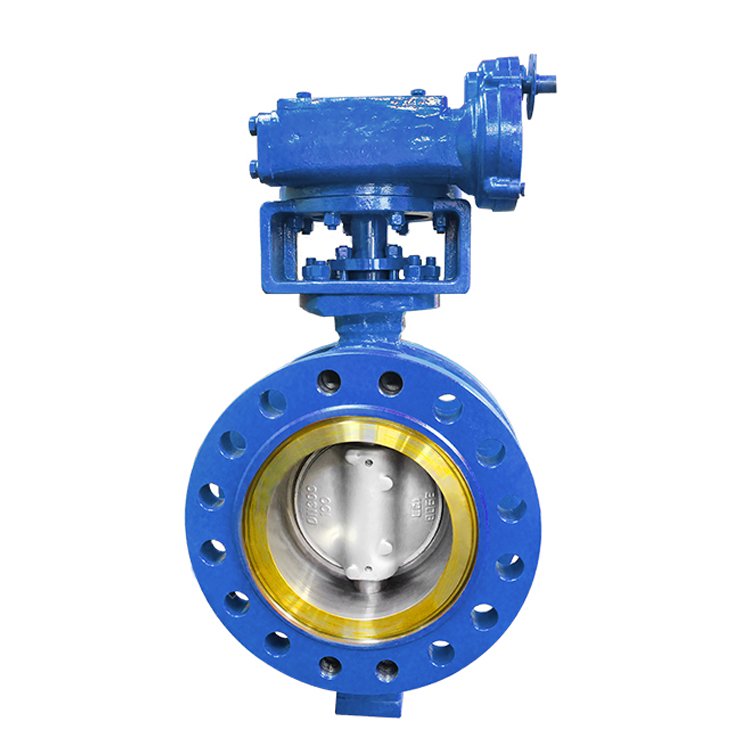
The practical consequence is a different sealing mechanism, rather than an automatic upgrade in every application. A project that does not need that mechanism may gain little by specifying it solely because it has an additional offset.
Do Not Equate Double Offset with Soft Seats
Many comparisons divide the choices into soft seated double offset and metal seated triple offset. That is an incomplete shortcut. Bray's McCannalok metal seated product illustrates a high performance configuration with a metallic seat and a defined Class IV shutoff rating. Its published performance belongs to that configuration, not to all metal seated butterfly valves.
Ask what contacts the body seat, what material the seal ring uses and whether nonmetallic layers are present. For more detail on those questions, use our metal seated butterfly valve guide. The words metal seated do not establish a common temperature ceiling or leakage class.
Choose by the Conditions That Can Rule a Valve Out
Compatible utility and process fluids
Keep a double offset configuration on the shortlist if its documented materials, pressure-temperature envelope and shutoff performance meet the duty. For straightforward compatible water service, also consider whether a rubber seated butterfly valve already meets the requirement. Start with the required performance before choosing a more elaborate sealing system.
Hot isolation and frequent thermal cycles
Evaluate the complete sealing assembly, packing and bearings at both normal and upset conditions. A triple offset metal sealing design can be a candidate when its tested configuration meets the specified duty. Do not assign a universal temperature threshold at which every double offset valve must be replaced by triple offset.
Throttling, solids or unstable pressure
Provide the flow range, pressure drop, fluid properties and operating pattern. Neither offset count alone establishes suitability for cavitation, abrasive solids or precise flow control. A valve selected for isolation can need a separate assessment if it is routinely held partly open.
Compare Leakage Tests and Actuators Before Price
Write the leakage acceptance into the purchase specification: standard and edition, test fluid, pressure, duration, flow direction and any required temperature conditions. Keep seat leakage separate from external leakage through the packing. Ask for evidence covering the offered configuration if the project requires fire testing or emissions qualification.
For actuation, compare torque throughout opening and closing at the maximum differential pressure. Include the supply available at the actuator, required fail position and operating time. A reused actuator may fit mechanically while failing to provide the new valve's seating torque.
A fair commercial comparison uses the same inspection scope, accessories and installation requirements for both proposals. Include spare seals, replacement access and expected shutdown work. Without that alignment, the cheaper quotation may simply exclude part of the required assembly or documentation.
A Short Specification Checklist
- Define fluid composition, normal and design temperature, pressure and maximum shutoff differential.
- State isolation or throttling duty, cycle frequency and any reverse-pressure condition.
- Agree seat materials, leakage acceptance and required qualification evidence.
- Confirm flange standard, face-to-face length, disc clearance and maintenance access.
- Match the actuator and compare quotations on the same documented scope.
If both configurations satisfy these checks, compare the installed cost and maintenance plan. If only one does, the technical requirement should decide the shortlist before negotiating price. When neither does, revisit the valve type rather than choosing by offset count.
Frequently Asked Questions
Does triple offset always mean zero leakage?
No. The geometry supports a particular sealing approach, but the offered valve still needs a stated leakage criterion and test conditions. Ask for the test medium, pressure, duration and direction, plus any required temperature testing. A zero-leakage claim for one manufacturer's configuration cannot be transferred to another valve simply because both are called triple offset.
Can a double offset butterfly valve have a metal seat?
Yes. Metal seated high performance butterfly valve configurations exist, so double offset should not be treated as a synonym for soft seated. Check the actual seal design and its documented leakage performance. A metal seated version may serve a different purpose from a soft seated version in the same family, particularly where flow control rather than tight isolation is required.
Should steam service automatically use a triple offset valve?
No. Steam conditions and shutoff requirements determine the selection. Supply the operating and design pressure and temperature, identify saturated or superheated steam, and describe start-up cycles and possible condensate exposure. Compare complete valve ratings and test requirements. A suitable configuration must be established from those conditions rather than from the word steam in an application list.
Can I reuse the actuator when changing offset designs?
Only after checking both the mechanical interface and the required torque throughout the stroke. Matching the mounting flange does not confirm adequate seating torque or acceptable shaft loading. Provide the available air pressure or electrical supply, fail position and operating speed. The valve supplier should confirm the actuator selection for the new valve and maximum differential pressure.
Is a triple offset valve always bidirectional?
Do not assume the same pressure or leakage performance in both directions. Request the documented rating and test conditions for each required direction on the exact configuration. Identify any reverse-pressure event in the inquiry. Normal inline shutoff and dead-end service are separate requirements, so removing downstream pipework needs its own confirmation of body design and operating limits.
Which design is cheaper over its operating life?
There is no universal cost winner. Compare purchase price together with the actuator, inspection scope, spare seals, maintenance access and the consequences of leakage or shutdown. A more expensive assembly can be justified when it meets a necessary duty, but the offset count alone does not prove longer life. Ask competing suppliers to quote against the same service specification.
Final Thoughts
Choose between double and triple offset butterfly valves by the sealing performance your process needs, supported by the offered configuration's data. Specify the operating envelope, leakage test and actuator duty before comparing prices. Pioneer Valve can review those requirements against its butterfly valve range. Send the valve schedule and service conditions to discuss an appropriate configuration and identify the documents needed for quotation.
Discuss Your Valve Specification