High Pressure Gate Valves

Configuration review, pressure-temperature requirements and industrial project quotations.

Define the Duty Before Selecting the Valve

A high pressure gate valve quotation needs more than a class number. Your operating temperature, shutoff differential, material specification and inspection requirements can change the acceptable configuration and its supply cost. Start with a complete duty sheet. Pioneer Valve helps you review the construction route and quotation scope so engineering approval and purchasing comparison are based on the same requirements.

Request a Project Quote
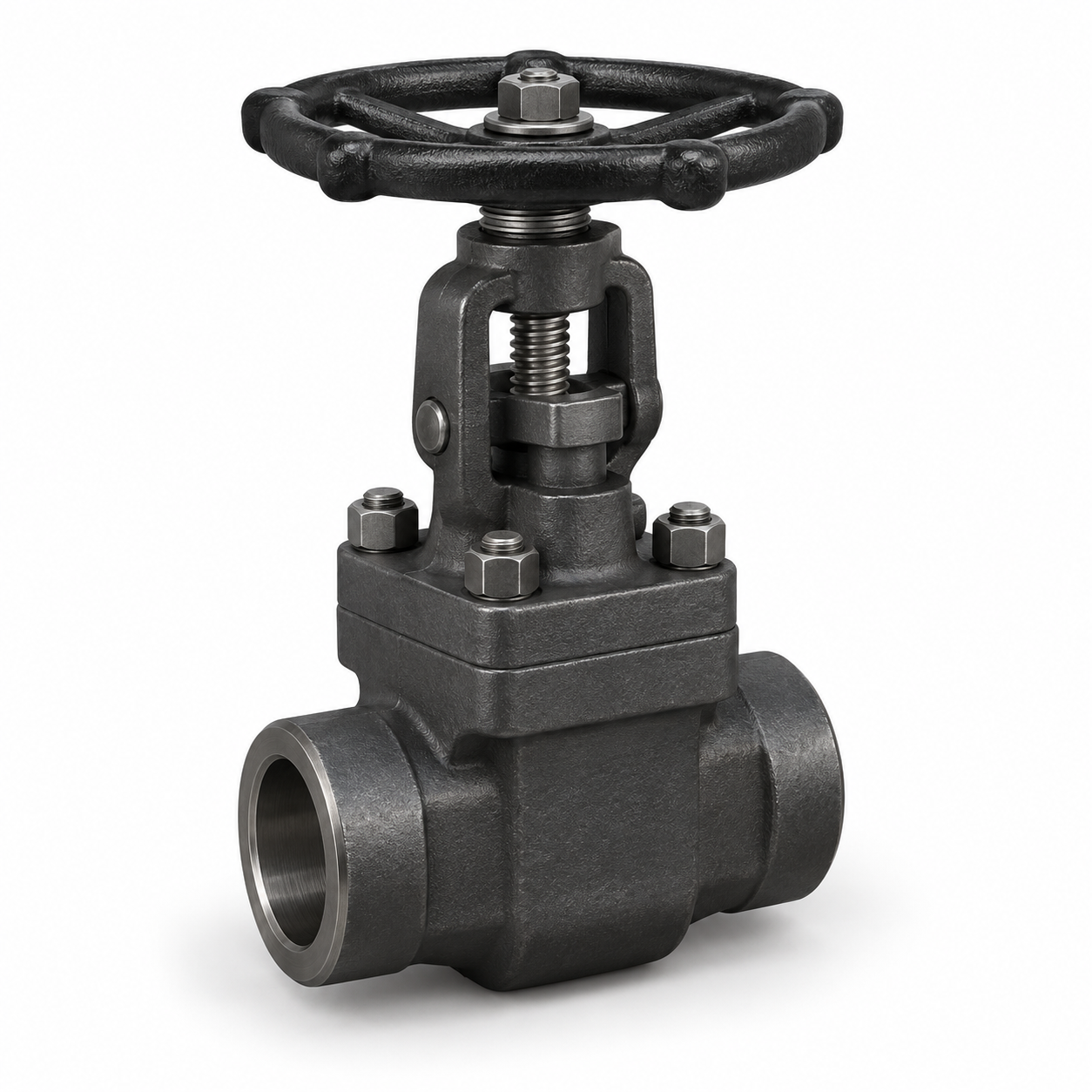
AI generated generic gate valve illustration, not a specific high pressure model
AI-generated generic gate valve illustration, reused from our existing materials. It is not a product photograph or evidence of a pressure rating, bonnet design or available model.

What Is a High Pressure Gate Valve?

It is a gate valve selected for isolation at defined pressure and temperature conditions. “High pressure” describes the duty, rather than a single design standard or universal threshold. The offered construction, materials and complete assembly rating must match the specified service.

High Pressure Gate Valve Configuration Routes

Use the following existing product routes to organize a technical inquiry. They are starting points for reviewing construction, not a claim that every valve in either category is rated for your high pressure duty. The written offer identifies the proposed configuration and its limits.

Forged Steel Configuration Review

Where the project calls for forged construction, define the material, bonnet, bore and ends. Review the complete assembly against the required design conditions and inspection scope.

  • Required material specification
  • Bonnet and connection arrangement
  • Rating and acceptance review
Explore forged steel gate valves →

Bolted Bonnet Specification Review

Where the piping specification calls for a steel bolted bonnet design, review the applicable standard alongside the offered rating, materials, gate construction and end connections.

  • Specified design standard
  • Pressure-temperature basis
  • Connection and drawing approval
Review the API 600 product route →

For broader construction choices, see our industrial gate valve range. A pressure seal bonnet, special material or operating package should be stated as a requirement for confirmation; it is not an automatic inclusion in these routes.

Separate Pressure, Temperature and Differential

These requirements describe different aspects of the duty. Putting all three on the data sheet helps avoid comparing a valve rated for the pressure boundary with an operator that cannot handle the required opening conditions.

RequirementInformation to providePurpose of the review
Design pressureThe project design value and any specified pressure class or piping category.Check the proposed pressure boundary and connection requirements.
Design temperatureMaximum and minimum design temperatures, plus operating and startup conditions.Review the material and assembly rating at the relevant conditions.
Shutoff differentialMaximum pressure difference during opening and closing.Assess operating loads, seating duty and operator requirements.
Operating sequenceFrequency, travel time and any unusual startup or shutdown procedure.Identify duty details that a pressure class alone does not describe.

An ASME class number is not a direct psi rating at every temperature. For example, requesting Class 1500 does not by itself define the permissible operating pressure of every material and assembly. Use the applicable pressure-temperature basis and the offered valve data sheet. If the project invokes ASME B16.34, identify the required edition and scope rather than treating the standard reference as a certificate.

Bolted Bonnet and Pressure Seal Requirements

Bolted Bonnet Route

The bolted joint and its gasket form part of the pressure boundary. Review construction, bolting, gasket and the complete valve rating. Do not assume a bolted bonnet assembly is excluded or approved solely because the inquiry uses the words high pressure.

Pressure Seal Requirement

Pressure seal construction is a distinct bonnet design used in some high pressure valve ranges. If mandatory, state it on the inquiry and request an offered drawing and documented confirmation of availability. It is not a generic name for any pressure-rated bonnet.

Bonnet construction is one part of the specification. Gate geometry, seating surfaces, stem arrangement and maintenance access remain separate review items. Use our wedge gate valve and rising stem gate valve pages where those features are specified, while keeping the high pressure duty sheet as the basis for acceptance.

Specify the Complete Material and Seal Schedule

Body material alone cannot establish suitability for hot steam, process fluid or low temperature operation. Identify the body and bonnet, gate and seats, stem, bolting, packing and gasket requirements. Include fluid composition and any project restrictions on materials or surface treatments.

Body and Bonnet

State the required material specification, product form and any supplementary requirements. A casting and a forging are not interchangeable simply because both are described as carbon steel.

Trim and Seating

Define the relevant components and any required trim designation. State seating materials and test acceptance separately, including any hardfacing requirement that needs confirmation.

Joint and Stem Seals

Review packing, gaskets and bolting with the pressure-temperature conditions. A metallic pressure boundary does not remove the operating limits of the sealing components.

For material-specific review, visit our carbon steel gate valve and stainless steel gate valve categories. Confirm the combination of material, construction and rating in the offered configuration rather than combining separate catalogue descriptions into an assumed product.

Connections, Operating Loads and Installation

Selection itemWhat the inquiry should defineWhat to check before approval
End connectionsFlange standard and facing, or required weld preparation and pipe details.Compatibility with the piping specification and proposed assembly rating.
Installed dimensionsRequired face-to-face length, available space and pipe arrangement.The approved drawing fits the installation and maintenance envelope.
OperatorHandwheel, gearbox or requested powered package, with duty and utilities.Loads, interfaces, accessories and operating limitations for the offered valve.
InstallationPipe and stem orientation, support and access constraints.Permitted arrangement under the model-specific instructions.

A rising stem design needs sufficient open height and access for maintenance. A gearbox or motor also changes the installation envelope. Send the available space and orientation before drawing approval, particularly when replacing a valve beneath a platform or beside existing equipment.

A conventional gate valve is normally a full-open or full-closed isolation device. Sustained throttling and operation across a large differential are separate duty questions; a higher class number does not settle them. State any required equalization arrangement or unusual operating sequence so it can be reviewed explicitly.

Inspection and Documentation for a Comparable Offer

Separate the design basis, required inspections and evidence of acceptance. A pressure test report does not replace the operating-temperature rating review, and a standard reference does not establish that every requested test or qualification is included.

Material recordsDefine required component records, identification and traceability scope.
Tests and acceptanceSpecify shell and seat tests, acceptance criteria and any additional inspection.
Approval milestonesAgree drawings, witness points, document delivery and deviation approval before release.

If the project requires impact testing, additional nondestructive examination, emissions qualification or a special-service assessment, list it at inquiry stage. Ask the supplier to identify applicability and supporting documentation for the proposed configuration. Comparing these inclusions prevents an attractive headline price from concealing a different technical supply scope.

What We Do

Pioneer Valve helps industrial purchasing teams, EPC contractors, equipment manufacturers and distributors organize gate valve project inquiries. Bring your data sheet or piping class so the proposed construction and supply responsibilities can be reviewed on one basis.

Requirement Review

Align pressure, temperature, differential and material requirements.

Drawing Coordination

Define ends, installation dimensions, clearance and approval needs.

Inspection Planning

Agree test acceptance, requested records and inspection scope.

Commercial Scope

Confirm quantities, accessories, packing, delivery terms and exclusions.

Specific pressure classes, sizes, materials, pressure seal construction, operating packages and special tests require confirmation in the written offer. This category is a project inquiry route, not a verified inventory list of every high pressure configuration.

Send These Details for a High Pressure Gate Valve Quote

Process dutyFluid, operating and design conditions, shutoff differential and operating sequence.
Valve requirementSize, quantity, construction, materials, ends, installed dimensions and operator.
Project acceptanceSpecified standards, tests, documentation, inspection attendance and delivery requirements.

For replacements, include the nameplate, connection measurements, general arrangement drawing and relevant service history. Describe the leakage, access or operating problem that triggered the replacement. Request deviations and optional costs in a separate list so your engineering and purchasing teams can compare equivalent scopes before committing to an order.

Send Your Gate Valve Specification

High Pressure Gate Valve FAQ

What is a high pressure gate valve?

A high pressure gate valve is an isolation valve selected for a specified pressure duty using an appropriate design and complete assembly rating. The phrase does not define one universal pressure threshold or construction. State your design pressure and temperature, material specification, size and governing requirements so the offered configuration can be reviewed against the actual project conditions.

Does Class 1500 mean an operating pressure of 1500 psi?

No. An ASME class designation is not a direct statement of allowable pressure in psi at every temperature. The applicable rating depends on the material and governing standard, with limits assessed at the specified temperature. Ask for the pressure-temperature basis of the complete offered assembly. Compare it with the project design conditions rather than converting the class number directly.

Is a pressure seal bonnet required for every high pressure valve?

No single bonnet arrangement should be assumed from the high pressure label. Pressure seal and bolted bonnet constructions are different design routes whose suitability depends on the offered design, rating and application. If your specification requires pressure seal construction, state it explicitly and request confirmation. Do not infer availability or performance from a generic gate valve photograph or category title.

Are forged steel gate valves automatically suitable for high pressure?

Forged steel identifies a product form, not a complete pressure rating or service approval. Confirm the offered material, design, bonnet, connections and pressure-temperature limits together. A valve can have forged components without meeting your required duty. Provide the design conditions and inspection requirements so the proposed assembly can be checked instead of relying on the forged description alone.

Can a high pressure gate valve control flow?

A conventional gate valve is normally selected for fully open or fully closed isolation. A higher pressure rating does not make it suitable for sustained throttling. If you require regulation or operation across a large pressure drop, provide the flow conditions and operating sequence for review. A different valve design or a specifically engineered arrangement may be needed for that duty.

Why does shutoff differential pressure matter?

The pressure difference across the closed valve affects seating and the loads that the operating arrangement must handle. It is separate from the line design pressure and can vary with the operating sequence. State the maximum required opening and closing differential, including startup and abnormal conditions, so the valve and operator review uses the actual duty rather than only the pressure class.

Can I specify a motor or gearbox for this valve?

Include the required operator in your inquiry, together with differential pressure, temperature, operating frequency, travel time and available utilities. Sizing requires loads and interface details for the proposed valve. A common mounting interface does not prove that any operator will work. Confirm the complete package, accessories and operating limitations in the offer before approving an automated or geared arrangement.

What should I send for a high pressure gate valve quotation?

Send size, quantity, fluid, operating and design pressure and temperature, maximum shutoff differential, material requirements and connections. Add the required bonnet and gate construction, operator, tests, documents and delivery conditions. For replacements, attach tag photographs and installed dimensions. Ask for proposed deviations to be listed clearly so your technical and purchasing teams compare the same configuration and supply scope.
Final Thoughts

Select a high pressure gate valve as a complete isolation assembly. Define pressure, temperature and shutoff differential first, then align construction, materials, operating loads and acceptance requirements. Send Pioneer Valve your project data sheet or replacement details to review the proposed configuration, identify deviations and obtain a quotation that your technical and purchasing teams can evaluate together.

Discuss Your High Pressure Duty

References: ASME B16.34 scope and L&T pressure seal gate valve example. External references explain terminology; their product ranges, test capabilities and qualifications do not describe Pioneer Valve supply.